
Bone health has a major effect on mobility, strength, independence, and overall quality of life. Bones provide the body’s framework, protect organs, store important minerals, and work with muscles and joints to make movement possible. When a bone disorder develops, it may cause pain, weakness, deformity, fractures, or difficulty with everyday activities.
Orthopedic specialists are trained to diagnose and treat conditions affecting bones, joints, ligaments, tendons, muscles, and related nerves. Their work ranges from treating a broken wrist after a fall to managing long-term disorders such as osteoporosis, arthritis, bone deformities, and inherited bone diseases.
What Is an Orthopedic Specialist?
An orthopedic specialist is a doctor who focuses on the musculoskeletal system. This system includes bones, joints, cartilage, muscles, ligaments, tendons, and nerves. Some specialists provide broad orthopedic care, while others focus on an area such as the spine, shoulder, hip, knee, hand, foot and ankle, sports injuries, trauma, or pediatric conditions.
Their role is not limited to surgery. They diagnose the source of pain or dysfunction, recommend non-surgical care when appropriate, coordinate rehabilitation, and consider surgery only when it is likely to provide a meaningful benefit.
At Liv Hospital, orthopedic care covers the diagnosis, treatment, and rehabilitation of bone, joint, ligament, and muscle conditions. The approach recognizes that recovery requires more than fixing an injury; restoring strength, movement, and confidence is also important.
Common Bone Disorders
Bone disorders can occur because of injury, aging, genetics, infection, nutritional problems, cancer, or other medical conditions. Some of the most common conditions include:
- Fractures
- Osteoporosis
- Osteoarthritis
- Bone infections
- Bone deformities
- Stress fractures
- Bone tumors
- Osteogenesis imperfecta
- Osteopetrosis
- Scoliosis and other spine-related conditions
Fractures
A fracture is a crack or break in a bone. It may happen after a fall, accident, sports injury, or direct impact. Stress fractures are tiny cracks caused by repeated force, often seen in runners or people who increase activity too quickly.
Osteoporosis
Osteoporosis is a condition in which bone density, mass, or structure decreases, making bones weaker and more likely to break. It often develops silently until a fracture occurs. Hip, spine, and wrist fractures are especially common concerns. NIAMS explains that DXA bone-density measurement at the hip and spine is generally the most reliable test for diagnosing osteoporosis.
Bone Deformities and Genetic Conditions
Some people are born with bone or limb differences, while others develop deformities due to injury, infection, or disease. Osteogenesis imperfecta, sometimes called brittle bone disease, is an inherited disorder that can make bones break easily. Osteopetrosis is a rare condition in which bones become unusually dense but may also become brittle.
How Specialists Diagnose Bone Disorders
Accurate diagnosis is the foundation of effective treatment. Symptoms such as bone pain, swelling, stiffness, weakness, or difficulty walking can have many causes. An orthopedic specialist combines the patient’s history, physical examination, and diagnostic tests to find the most likely cause.
Medical History
The consultation often begins with questions about symptoms. The doctor may ask when pain started, whether an injury occurred, what activities make symptoms worse, and whether there is a history of fractures, arthritis, osteoporosis, cancer, or autoimmune disease.
Family history can be important, particularly when inherited bone conditions or early osteoporosis are possible. The specialist may also ask about medications, nutrition, smoking, alcohol use, activity level, and other health conditions that can affect bone strength.
Physical Examination
During an examination, the doctor assesses the painful area and nearby joints. They may check for swelling, bruising, tenderness, deformity, muscle weakness, alignment, joint stability, range of motion, balance, and nerve function.
For example, if a patient reports hip pain, the specialist may assess the hip, lower back, knee, walking pattern, and leg strength. This helps determine whether the pain is truly coming from the hip or being referred from another area.
Imaging and Laboratory Tests
Imaging tests allow specialists to look inside the body and confirm or rule out specific conditions.
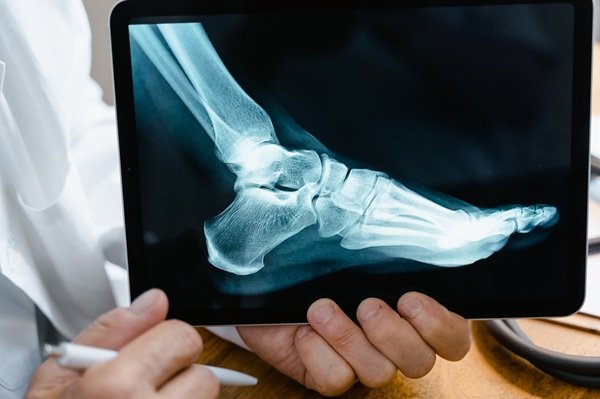
- X-rays are often used to identify fractures, bone alignment, joint narrowing, and some bone abnormalities.
- MRI scans provide detailed images of bone marrow, cartilage, ligaments, tendons, and other soft tissues.
- CT scans create detailed views of complex fractures, bone shape, and certain tumors.
- Bone scans may be used in selected cases to identify areas of unusual bone activity.
- DXA scans measure bone mineral density and help assess osteoporosis risk.
- Blood tests may be useful when infection, inflammation, vitamin deficiency, hormonal problems, or metabolic bone disease is suspected.
In some situations, a biopsy may be needed. This involves taking a small tissue sample to examine for infection, unusual cells, or a suspected bone tumor.
Non-Surgical Treatment Approaches
Many bone disorders can be managed without surgery. The treatment plan depends on the diagnosis, the severity of symptoms, the patient’s general health, and personal goals.
Fracture Care
A stable fracture may be treated with a cast, splint, brace, or protective boot while the bone heals. The specialist monitors healing with follow-up examinations and imaging. Weight-bearing and activity restrictions are adjusted as recovery progresses.
Medication
Medication may be used for pain relief, inflammation control, infection, or to help improve bone strength in osteoporosis. The right medicine depends on the patient’s condition and should be selected by a qualified clinician.
Physical Therapy and Rehabilitation
Physical therapy helps restore strength, flexibility, balance, and safe movement. It is valuable after a fracture, during arthritis management, after joint replacement, and for many non-surgical conditions. A therapist may guide patients through exercises that protect healing tissues while gradually rebuilding function.
Lifestyle and Bone Health Support
Specialists may recommend adequate calcium, vitamin D, protein, regular weight-bearing activity, smoking cessation, fall prevention, and changes in alcohol use. These steps can support healthy bones, although supplements or exercises should be individualized for people with medical conditions.
When Is Surgery Needed?
Surgery may be needed when a fracture is unstable, a bone has shifted out of alignment, a joint is severely damaged, or non-surgical treatment has not restored sufficient function.
Common orthopedic procedures include:
- Internal fixation with plates, screws, rods, or pins
- Joint replacement
- Bone grafting
- Arthroscopy
- Osteotomy to correct bone alignment
- Spinal fusion
- Repair of torn ligaments or tendons
- Removal or reconstruction of bone tumors
Internal fixation holds broken bone pieces in the correct position while they heal. Joint replacement may be considered when advanced arthritis causes substantial pain and loss of function. An osteotomy involves cutting and repositioning a bone to improve alignment or reduce stress on a joint.
Every procedure has potential benefits and risks. The decision should be based on a discussion between the patient and specialist, taking into account the expected recovery, alternatives, general health, and daily activity needs.
Recovery and Follow-Up Care
Treatment does not end when a cast is applied or surgery is completed. Follow-up care is essential to monitor healing, manage pain, prevent complications, and guide a safe return to activity.
Recovery may involve repeat X-rays, medication review, wound checks, physical therapy, and gradual increases in movement or weight-bearing. Patients should follow instructions about activity limits, braces, casts, and rehabilitation exercises carefully.
Seek urgent medical help for severe pain, increasing swelling, fever, numbness, loss of circulation, an open wound near a fracture, or a limb that becomes pale, cold, or unusually shaped.
Conclusion
Orthopedic specialists play an important role in protecting bone health and restoring movement after injury or illness. They use medical history, examinations, imaging, laboratory tests, and individualized care plans to diagnose bone disorders accurately.
Many conditions improve with non-surgical care, including medication, bracing, physical therapy, and lifestyle changes. When surgery is necessary, modern techniques and structured rehabilitation can help restore stability, mobility, and quality of life. Persistent bone pain, repeated fractures, deformity, or trouble walking should always be assessed by a qualified healthcare professional.