
The index finger is one of the most important and frequently used parts of the human hand. While many people think of it simply as the finger used for pointing, the index finger plays a much larger role in our daily lives. From typing on keyboards and using smartphones to writing, gripping objects, and communicating through gestures, this finger is essential for countless everyday tasks.
Understanding the structure, functions, and significance of the index finger can help us appreciate how vital it is to human movement and communication.
What Is the Index Finger?
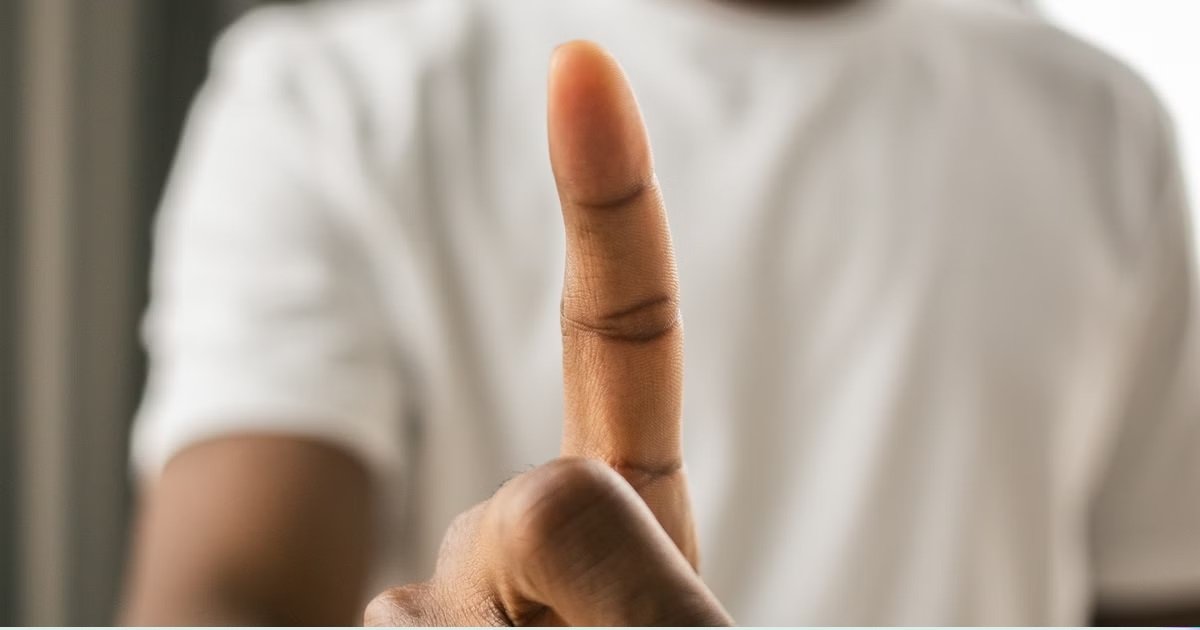
The index finger is the second digit of the hand, located between the thumb and the middle finger. It is also commonly known as the “pointer finger” because it is often used to indicate objects, directions, or people.
Anatomically, the index finger consists of three bones called phalanges:
- Proximal phalanx
- Middle phalanx
- Distal phalanx
These bones are connected by joints that allow the finger to bend and move with remarkable flexibility and precision.

Why Is the Index Finger So Important?
The index finger works closely with the thumb to perform many tasks that require fine motor skills. This combination allows humans to manipulate objects with a level of precision unmatched by most animals.
Precision and Control
One of the primary functions of the index finger is precision handling. Whether you’re picking up a coin, threading a needle, or tapping a touchscreen, the index finger helps execute delicate movements accurately.
Writing and Drawing
Most people rely heavily on the index finger when holding a pen or pencil. Together with the thumb and middle finger, it provides stability and control for writing, sketching, and artistic activities.
Typing and Technology Use
Modern technology has made the index finger more important than ever. Many people use it to:
- Type on keyboards
- Navigate touchscreens
- Play video games
- Operate computer mice
- Use touchpad devices
Its speed and dexterity make it ideal for these tasks.
The Index Finger in Communication
Beyond physical tasks, the index finger plays a significant role in nonverbal communication.
Pointing
Pointing is one of the most common gestures involving the index finger. It helps direct attention toward specific objects, locations, or ideas.
Hand Signals
Many cultures use index-finger gestures to communicate messages without words. These gestures can indicate directions, warnings, instructions, or approval.
Sign Language
In many sign languages, the index finger is essential for forming letters, words, and expressions. Its flexibility allows for a wide range of meaningful movements.
The Role of the Index Finger in Sports
Athletes depend on their index fingers for grip, control, and performance.
Ball Sports
In sports such as basketball, cricket, baseball, and tennis, the index finger helps control the direction and force of throws, passes, and shots.
Archery and Shooting
Archers and shooters use the index finger to release arrows or pull triggers with precision.
Climbing and Fitness
Rock climbers often rely on finger strength, including the index finger, to maintain grip and balance on difficult routes.
Common Injuries Affecting the Index Finger
Because the index finger is used so frequently, it is vulnerable to injuries.
Sprains
A sprain occurs when ligaments are stretched or torn, often resulting from sudden impact or twisting.
Fractures
Broken bones in the index finger can occur during sports, falls, or workplace accidents.
Tendon Injuries
Damage to tendons may reduce flexibility and limit movement.
Arthritis
Over time, arthritis can affect the joints of the index finger, causing pain, stiffness, and reduced mobility.
Proper treatment and rehabilitation are important to restore function and prevent long-term complications.
Interesting Facts About the Index Finger
It Has Exceptional Sensitivity
The index finger contains a high concentration of nerve endings, making it highly sensitive to touch, pressure, and texture.
It Supports Human Dexterity
The ability of the index finger to oppose the thumb is one reason humans can perform complex tasks such as writing, crafting, and operating tools.
It Is Often the Dominant Finger
Many people naturally use their index finger first when interacting with objects, buttons, or digital devices.
It Plays a Key Role in Learning
Children frequently use their index fingers when reading, pointing at objects, and exploring their environment, helping them develop coordination and cognitive skills.
How to Keep Your Index Finger Healthy
Maintaining finger health is important for preserving hand function.
Stretch Regularly
Simple finger stretches can improve flexibility and reduce stiffness.
Avoid Repetitive Strain
Taking breaks during typing or smartphone use helps prevent overuse injuries.
Strengthen Hand Muscles
Hand exercises can improve grip strength and finger endurance.
Protect During Activities
Using protective equipment during sports or manual work can reduce the risk of injury.
Conclusion
The index finger is far more than a simple pointing tool. It is a critical part of human anatomy that supports precision, communication, technology use, and countless daily activities. From writing and typing to sports and sign language, the index finger contributes significantly to our ability to interact with the world around us.
Its remarkable flexibility, strength, and sensitivity make it one of the most valuable tools we possess. Taking care of this small but powerful finger can help ensure continued comfort, productivity, and independence throughout life.